
.svg)
Book an appointment
Book an appointment

August 20, 2026
A betrayal trauma therapist in Westchester, NY treats infidelity as trauma, not just conflict. What specialized care involves and how to choose the right one.
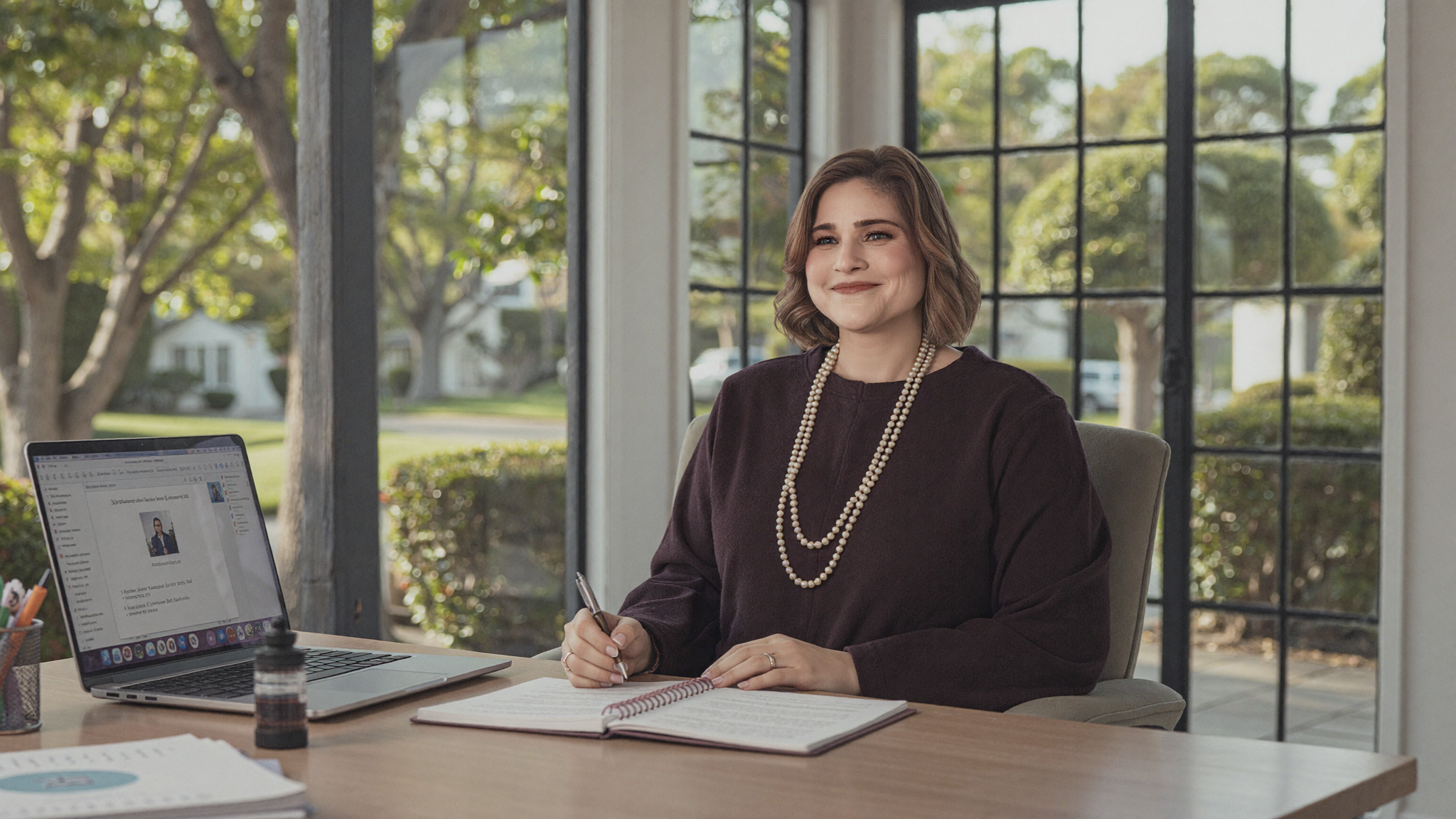
A betrayal trauma therapist in Westchester, NY is a clinician who treats the specific, trauma-level injury caused by infidelity and broken trust — not as an ordinary relationship conflict, but as a wound to the nervous system that requires specialized, trauma-informed care. For Westchester residents navigating the aftermath of an affair, the difference between this kind of specialist and a general couples counselor often determines whether recovery actually takes hold. This guide explains what betrayal trauma therapy involves, why specialization matters, and how to find the right fit locally.
The need is more common than most people realize. Roughly one in five married men and one in eight married women report having been unfaithful, per General Social Survey data analyzed by the Institute for Family Studies, which means a great many couples across Westchester County are quietly carrying this kind of pain. Knowing what effective help looks like — and how to access it without a long commute or a crowded waiting room — is the first step toward healing.
A betrayal trauma therapist specializes in the psychological injury that occurs when someone you depend on for safety violates your trust. Betrayal trauma is not simply hurt feelings or disappointment; it is a recognized form of relational trauma that can produce symptoms closely resembling post-traumatic stress. The betrayed partner may experience intrusive thoughts, hypervigilance, sleep disruption, and waves of emotional flooding set off by ordinary reminders.
What sets this specialist apart is the lens they bring. Rather than treating an affair as a communication breakdown to be negotiated, they understand it as a rupture in attachment that has dysregulated the nervous system. That understanding shapes everything about the work, from the pace of sessions to the tools used. If you want to understand the biology behind your symptoms, our article on how betrayal trauma affects the brain explains why these reactions happen and why they are not a sign of weakness or of a person who simply cannot let go.
Standard couples counseling and betrayal trauma therapy are built for different problems, and using the wrong one can quietly make things worse. Traditional couples counseling often begins by encouraging both partners to communicate their needs and compromise — a sensible approach for ordinary conflict, but one that can retraumatize a betrayed partner whose body is still in survival mode. Asking someone to negotiate calmly with the person who caused their trauma, before any safety has been restored, tends to backfire.
A betrayal trauma specialist sequences the work differently. Stabilization and safety come first; relationship repair comes later. Several elements distinguish this specialized care:
This is precisely why choosing carefully matters so much. Many practitioners advertise infidelity counseling without any real training in trauma, a gap we cover in our guide on how to pick a therapist who actually understands betrayal trauma.
For couples in Westchester, effective betrayal trauma therapy generally unfolds in phases rather than as a single ongoing conversation. The early work focuses on containment: helping the betrayed partner regain sleep, reduce panic, and steady a nervous system that has been thrown into alarm. Practical regulation skills are often introduced here, and our guide on nervous system regulation techniques reflects the kind of tools used in this stage.
Once there is some baseline of stability, the work can turn toward understanding how the affair happened and beginning the slow process of repair. For the intrusive memories and triggers that keep the injury raw, EMDR is frequently part of the plan; our article on how EMDR works for betrayal trauma describes what those sessions involve. For couples committed to rebuilding, a structured, evidence-based framework guides the reconstruction of trust and safety, delivered by a Certified Gottman Therapist who pairs that framework with trauma-informed care. The result is a process that respects both the injury and the relationship, in the right order.
Many Westchester residents access betrayal trauma therapy virtually, and for this kind of work, telehealth carries real advantages. Sessions take place from the privacy of your own home, which removes the discomfort of sitting in a shared waiting room during an intensely personal time and eliminates travel across the county after a long day. For a topic this sensitive, that discretion can make it easier to begin at all.
Virtual therapy is also well suited to trauma work specifically. Being in your own familiar, regulated environment can help you stay grounded during difficult sessions, and research on telehealth for trauma has found it comparably effective to in-person care for many people. Practically, it means a Westchester couple can work with a specialist who fits their needs rather than settling for whoever happens to be nearby, and can keep sessions consistent even through busy weeks, travel, or childcare constraints. Consistency matters enormously in trauma recovery, and virtual care makes it far easier to sustain.
Choosing well comes down to a few concrete questions rather than proximity alone. Because betrayal trauma requires specific training, the goal is to confirm that a therapist genuinely works in this area rather than treating infidelity as a general relationship issue.
Credentials and approach matter far more than a local address, especially when virtual care puts qualified specialists within reach regardless of where in Westchester you live. If nearby options feel limited, know that the same specialist serving Westchester often works across the wider region, including couples in Greenwich and Fairfield County; our overview of what affair recovery actually looks like gives a sense of the process from the inside.
Our practice serves Westchester residents primarily through secure virtual sessions rather than a physical office in the county. For betrayal trauma work, telehealth is often preferable: it offers greater privacy, removes travel, and lets you do difficult sessions from a familiar, grounding environment. Westchester clients get access to a specialist in betrayal trauma and affair recovery without being limited to whoever practices nearby.
For most people, yes. Research on telehealth-delivered trauma care has found it comparably effective to in-person treatment, including for modalities like EMDR. Many clients find that being in their own space actually helps them stay regulated during hard sessions. What matters most is the therapist's specialization and the consistency of the work, both of which virtual care tends to support rather than hinder.
Marriage counseling generally assumes both partners are ready to negotiate and compromise, which can retraumatize a betrayed partner still in survival mode. Betrayal trauma therapy treats the affair as a trauma first, prioritizing safety and nervous-system stabilization before any relationship repair. It also uses specialized tools, such as EMDR and structured affair-recovery frameworks, that general marriage counseling typically does not include.
Yes. Uncertainty is one of the most common starting points, and you do not need to have decided your future before beginning. Good trauma-informed work first helps you stabilize and think clearly, which is exactly what makes a sound decision possible. Whether you ultimately rebuild or part ways, doing so from a settled nervous system rather than acute panic leads to far healthier outcomes.
Coverage varies by plan, and many specialized trauma and couples practices operate out of network. Some clients use out-of-network benefits or superbills for partial reimbursement. Because this varies so much, the most reliable step is to ask directly during a consultation about fees, any available documentation for reimbursement, and what your specific plan allows before beginning care.
Recovering from betrayal is hard enough without settling for care that treats a trauma like an ordinary argument. For Westchester couples and individuals, the right help is a specialist who understands betrayal trauma at the level of the nervous system, sequences the work safely, and is fully accessible through private virtual sessions — no waiting room, no commute across the county. Dr. Cammy is a Certified Gottman Therapist and EMDR clinician who specializes in betrayal trauma and affair recovery, working with couples and individuals across Westchester, NYC, Greenwich and Fairfield County CT, and New Jersey. If you are ready to begin healing, schedule a free, discreet consultation to find out what the work would look like for you.


.webp)

.webp)

I'm Dr. Cammy. I started Bliss in Being after more than a decade of helping couples and individuals navigate trauma, PTSD, and the painful moments that can reshape a relationship. This work is personal to me—and I bring that to every session
Dr. Cammy also practices in the San Francisco Bay Area at drcammy.com.


.png)

© Copyright 2026, All Rights Reserved by Bliss IN Being—Powered by Progeektech


