
.svg)
Book an appointment
Book an appointment

August 5, 2026
Learn how to support a partner with betrayal trauma: what to say, what to avoid, how to help their nervous system settle, and when to bring in a professional.
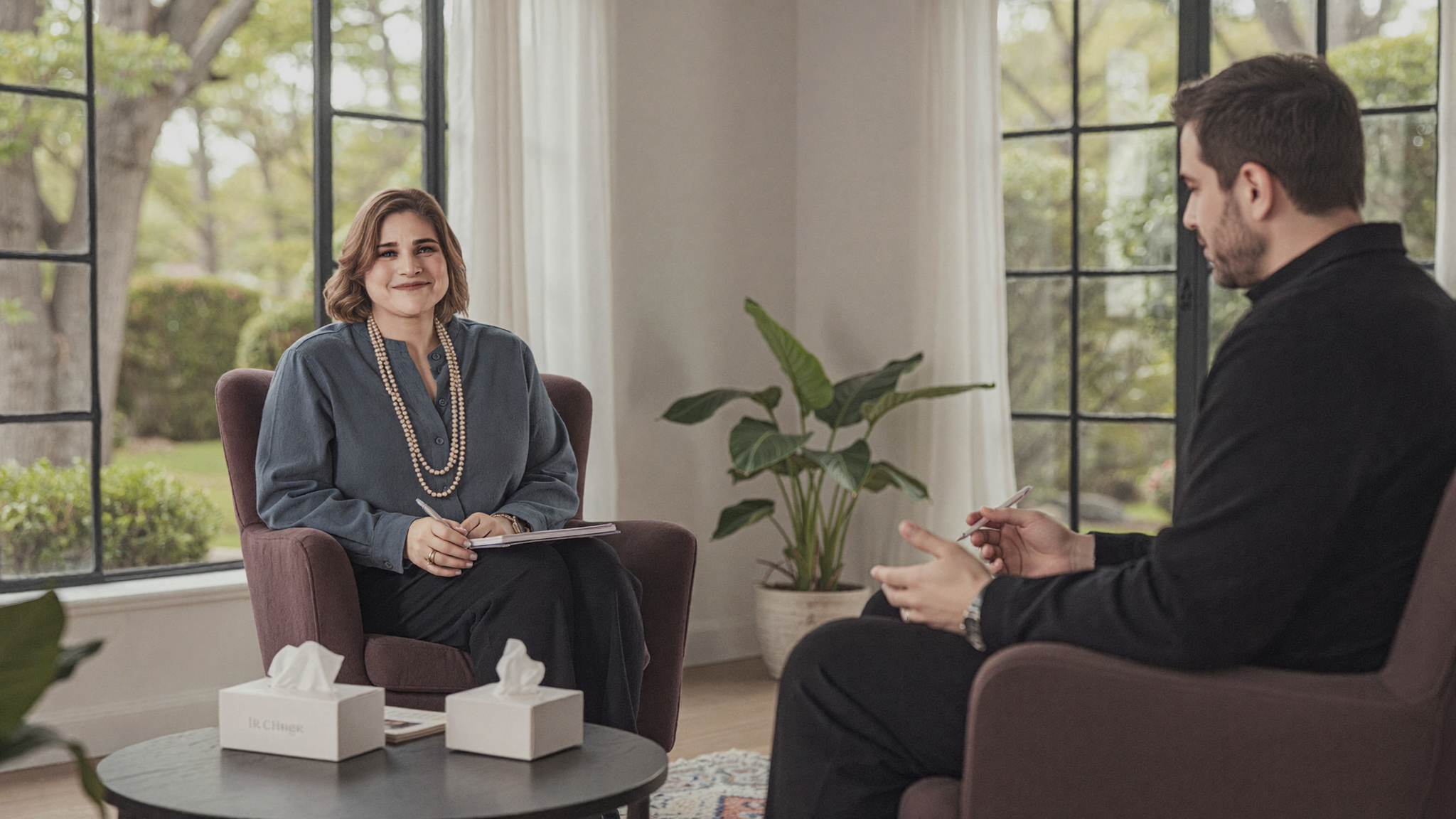
Supporting a partner with betrayal trauma means becoming a steady, safe presence for someone whose sense of safety was shattered — usually by an affair or another serious breach of trust — while resisting the urge to rush, fix, or defend. Whether you are the partner who caused the wound and want to help repair it, or a loved one watching someone you care about struggle, how you show up in the weeks and months after discovery has an outsized effect on whether they heal or stay stuck. The good news is that the most powerful things you can do are learnable, and they have less to do with saying the perfect thing than with becoming reliably present.
If you are in this position, you are far from alone. Roughly one in five married men and one in eight married women report having been unfaithful, per General Social Survey data analyzed by the Institute for Family Studies — which means countless couples are navigating exactly this terrain right now. Here is how to support a betrayed partner in a way that actually helps.
Betrayal trauma is a nervous-system injury, not a mood or a phase. When the person who was supposed to be safe becomes the source of pain, the brain begins treating the relationship as a threat. That produces symptoms that can look confusing or even hurtful from the outside: intrusive thoughts and images, hypervigilance, sudden emotional flooding, difficulty sleeping, and a compulsive need to ask questions or check for reassurance. Understanding that these are trauma responses — not manipulation, weakness, or an unwillingness to "move on" — is the foundation of good support. Our guide to the signs of betrayal trauma can help you recognize what your partner is experiencing.
When you can see the panic behind the anger and the fear behind the questions, your response changes. Instead of feeling attacked, you can respond to the wound underneath. That single shift — from defending yourself to attending to their pain — is often what turns the corner.
The period right after discovery is the most fragile. Your partner's world has just been rearranged, and their nervous system is in survival mode. This is not the moment for long explanations, timelines you think they should follow, or reassurances that "it's over now." It is the moment for presence, patience, and radical honesty. Our survival guide to the first 72 hours after discovering an affair is written for the betrayed partner, but reading it will tell you a great deal about what they are going through.
In the early days, focus on:
Because betrayal trauma lives in the body, some of the most helpful support is physiological, not verbal. A calm, regulated presence is contagious — when you stay grounded, it helps their system borrow your steadiness. Speak in a slower, lower voice. Offer physical comfort only when it is welcome, and never as a way to skip past the conversation. Protect sleep and routine where you can, since exhaustion makes every symptom worse; our article on why betrayed partners can't sleep and what helps offers concrete tools you can support them with.
You can also learn simple co-regulation skills together — paced breathing, grounding exercises, and short walks — that lower the alarm in the moment. Our roundup of nervous system regulation techniques for betrayal trauma gives you practical exercises you can offer without pressure. The goal is not to talk them out of their feelings but to help their body feel safe enough to settle.
Good intentions can still cause harm when they collide with a traumatized nervous system. A few common missteps to steer around:
The throughline is simple: your partner needs to feel that their reality is being honored, not managed. When you validate first — "I did this, your pain makes sense, I'm not going anywhere" — almost everything else becomes easier.
Love and good effort matter, but betrayal trauma often needs specialized help to fully heal, and there is no shame in that. Consider professional support if your partner's symptoms are not easing after several weeks, if the intrusive thoughts or hypervigilance are severe, if either of you feels stuck in the same painful loops, or if you both want to rebuild but do not know how. A therapist who specializes in betrayal trauma can help your partner process the traumatic memories while guiding you both through the slow, structured work of rebuilding trust. Our step-by-step overview of how to rebuild trust after infidelity shows what that path can look like.
Bringing in help is not a sign that you have failed as a supporter — it is often the most supportive move available. It takes the pressure off you to be your partner's therapist and lets you return to being their partner.
There is no fixed timeline, and it rarely follows a straight line. Many couples see meaningful stabilization within several months of consistent honesty and support, while fuller recovery — especially rebuilding deep trust — often unfolds over a year or more. Steady, patient support tends to shorten the process; pressure to hurry tends to lengthen it.
Repetition is a trauma symptom, not an attempt to punish you. Answer honestly and consistently, in a calm voice, even when it is the tenth time. Consistency is what slowly convinces their nervous system that it is safe. If the questioning is constant and distressing, a therapist can help structure it so it becomes healing rather than looping.
In the early stages of rebuilding, voluntary transparency usually helps more than it hurts, because it removes the need to investigate and lets trust rebuild on evidence. Offer it freely rather than waiting to be asked. Over time, as safety returns, most couples relax these measures together.
Supporting someone through trauma is depleting, and you cannot pour from an empty cup. Maintain your own sleep, movement, and a few trusted supports or your own therapist, so you can stay regulated and present. Caring for yourself is not selfish here — it is what makes sustained support possible.
Many relationships not only survive infidelity but eventually rebuild into something more honest and connected — when both partners are willing to do the work and get the right help. Recovery is not guaranteed, but consistent honesty, professional support, and patience meaningfully improve the odds.
Supporting a partner through betrayal trauma is less about perfect words and more about becoming reliably safe: telling the truth, staying present, honoring their pain, and helping their nervous system settle. You do not have to carry it alone, and you do not have to know how to do it perfectly on your own. Dr. Cammy is a Certified Gottman Therapist and EMDR clinician who specializes in betrayal trauma and affair recovery, working with couples across NYC, Greenwich and Fairfield County CT, Westchester, and New Jersey. If you want guidance on how to support your partner and rebuild together, schedule a free, discreet consultation to talk through your next steps.
1. The First 72 Hours After Discovering an Affair: A Survival Guide
2. Signs You Have Betrayal Trauma (and What to Do About It)
3. 7 Nervous System Regulation Techniques for Betrayal Trauma You Can Use Today
4. How to Rebuild Trust After Infidelity: A Step-by-Step Path


.webp)

.webp)

I'm Dr. Cammy. I started Bliss in Being after more than a decade of helping couples and individuals navigate trauma, PTSD, and the painful moments that can reshape a relationship. This work is personal to me—and I bring that to every session
Dr. Cammy also practices in the San Francisco Bay Area at drcammy.com.


.png)

© Copyright 2026, All Rights Reserved by Bliss IN Being—Powered by Progeektech


