
.svg)
Book an appointment
Book an appointment

August 5, 2026
The Gottman Trust Revival Method rebuilds trust after an affair in three phases: Atone, Attune, Attach. Here's what each step means and why the order matters.
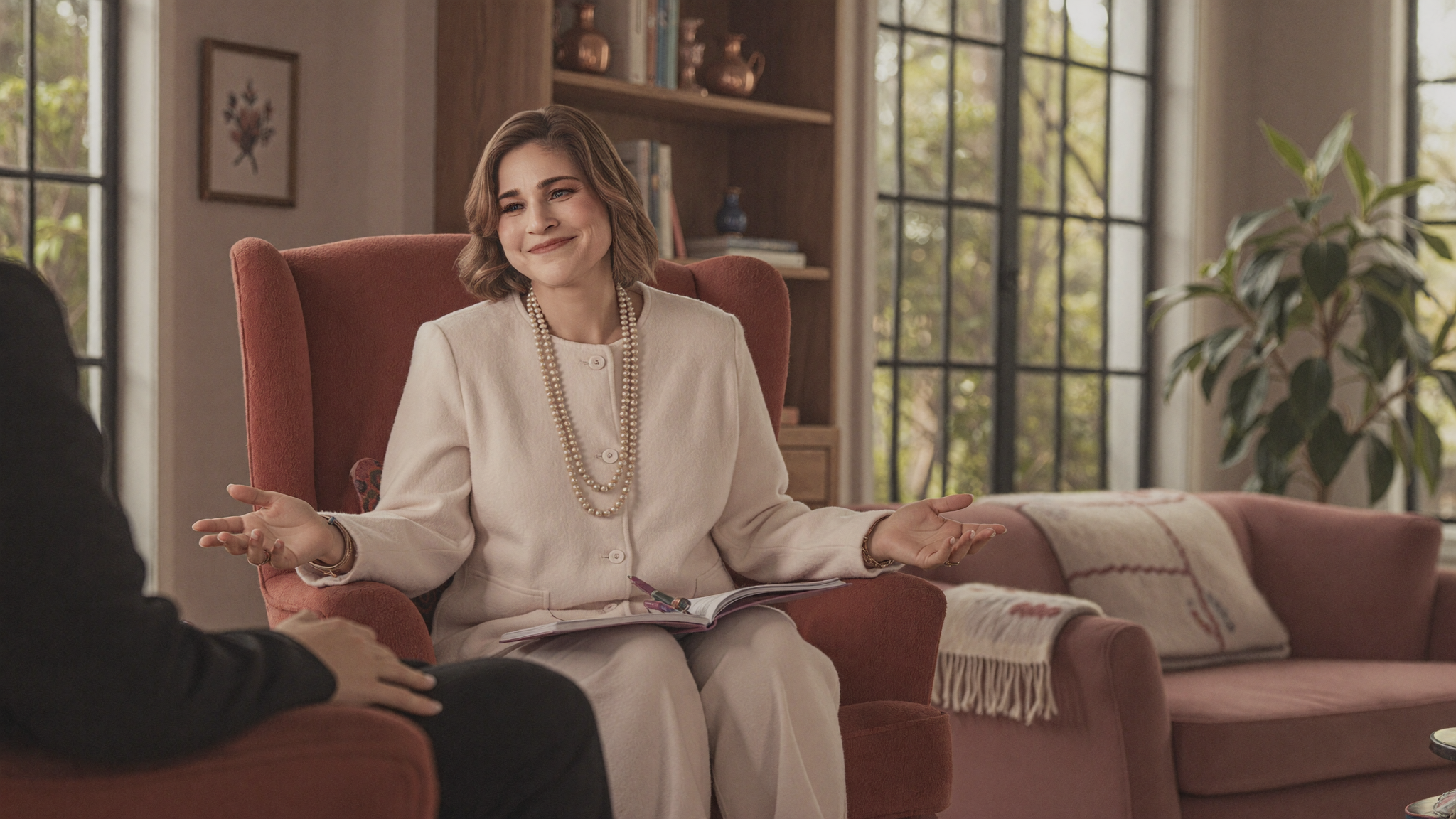
The Gottman Trust Revival Method is a structured, research-based framework for rebuilding a relationship after betrayal, moving a couple through three sequential phases the Gottmans call Atone, Attune, and Attach. Developed by Drs. John and Julie Gottman from more than four decades of studying what actually holds relationships together, it treats an affair not as a communication problem to be talked through, but as a rupture in trust that has to be repaired in a specific order. If you have been searching for a credible path forward after infidelity, understanding this method is a good place to start.
Affairs are more common than most couples realize. Roughly one in five married men and one in eight married women report having been unfaithful, per General Social Survey data analyzed by the Institute for Family Studies. The Trust Revival Method exists because so many of those relationships try to recover without a map, and the couples who heal are usually the ones who follow a deliberate sequence rather than lurching from crisis to crisis.
The Trust Revival Method is the Gottman Institute's clinical protocol for affair recovery. Rather than asking a couple to "move on" or "put it behind them," it acknowledges that betrayal fractures the sense of safety a relationship is built on, and that safety has to be rebuilt from the ground up. The method organizes that rebuilding into three phases that must happen in order, because each one creates the conditions the next one needs.
What makes the approach distinctive is its refusal to rush. It does not treat the hurt partner's anger, questions, or grief as obstacles to recovery. It treats them as necessary parts of it. That patience is grounded in research: the Gottmans found that couples who skipped or hurried the early stages were far more likely to relapse into distrust or separate entirely. You can read more about the strengths and gaps of this model in our breakdown of what the Gottman Method gets right and what it misses.
Atonement is the first phase, and it belongs to the partner who had the affair. This is not about forgiveness, and it is not about the hurt partner being told to calm down. It is about the involved partner taking full, non-defensive responsibility for the pain they caused and remaining present while their partner processes it.
In practice, atonement usually involves several things:
This phase can be long, and it is meant to be. The hurt partner needs room to fully express what the betrayal did to them, and the involved partner needs to demonstrate, through consistency over time, that they can be trusted with that pain. Trying to shortcut atonement is one of the most common reasons affair recovery stalls.
Once accountability is established and the hurt partner feels their pain has been genuinely received, the couple can begin to attune. Attunement is about rebuilding emotional connection and learning, or relearning, how to understand each other's inner worlds.
This is where much of the classic Gottman skill-building lives. Couples practice conflict conversations without contempt, learn to make and respond to bids for connection, and rebuild the small daily rituals that create closeness. The Gottmans emphasize "softened start-ups" to raise hard topics gently, and structured processing of past fights so old wounds stop reopening.
Attunement is also where many couples discover that talking alone is not enough. If the hurt partner's nervous system is still in a state of high alert, no communication technique will fully land, because the body still registers danger. This is often the point where trauma-focused work needs to run alongside the couples work, a theme we explore in betrayal trauma therapy versus couples counseling.
The final phase, attachment, rests on a truth that can be hard to hear: the relationship you had before the affair is over. The Gottmans frame what you build now as "Relationship #2," a new relationship between the same two people, with new agreements and a new foundation.
Attachment involves rebuilding physical and emotional intimacy at a pace the hurt partner sets, creating shared meaning and goals for the future, and establishing new boundaries and expectations that protect the relationship going forward. It is where trust stops being something the couple is fighting to recover and becomes something they are actively building together. Couples who complete all three phases often report a relationship that is more honest and more connected than the one they had before, a possibility we examine in whether a marriage can survive infidelity.
The single most important feature of the Trust Revival Method is its sequence. You cannot attune to a partner who has not yet taken responsibility, and you cannot build a new attachment on a connection that was never rebuilt. Skipping ahead almost always backfires.
Couples frequently try to jump straight to "let's just reconnect" or "let's put this behind us" because sitting in the pain of atonement is excruciating. But bypassing accountability tends to leave the hurt partner feeling unseen, which corrodes any connection built afterward. The structured order is not bureaucratic; it mirrors how trust is actually rebuilt in the human nervous system, from safety, to connection, to bonding. For couples pairing this work with individual trauma recovery, our guide to how to rebuild trust after infidelity walks through the practical day-to-day steps.
The method works best when both partners are willing to do their part: the involved partner ready to be fully accountable and transparent, and the hurt partner willing to eventually move toward reconnection once safety is reestablished. It is not a tool for coercing a hurt partner into forgiveness, and it is not a quick fix.
It is most powerful in the hands of a clinician who is genuinely trained in it, not simply "Gottman-informed." Certification includes specific training in treating affairs, which matters enormously when the stakes are this high. If you want to understand the difference before you book, see our guide to finding a certified Gottman therapist in Connecticut.
No. Regular couples therapy addresses general relationship dynamics, while the Trust Revival Method is a specific protocol designed for affair recovery. It follows a deliberate three-phase sequence and prioritizes accountability and safety before communication skills, which standard couples counseling does not always do.
There is no fixed timeline. The atonement phase alone can take months, because it depends on the involved partner demonstrating trustworthiness over time and the hurt partner feeling genuinely heard. Rushing the process is one of the most common reasons recovery fails, so most couples should expect the work to unfold over many months.
No. Forgiveness is not a required step, and the method is careful not to demand it. The goal is rebuilding trust and safety. Some couples arrive at forgiveness naturally over time, but the method never pressures the hurt partner to forgive before they are ready, or at all.
Yes. Virtual sessions work well for this structured approach and are popular for the privacy and scheduling flexibility they offer. What matters most is that your therapist is genuinely trained in the method and licensed in your state.
If revisiting the betrayal repeatedly triggers panic, numbness, or hypervigilance, that is often a sign the hurt partner's nervous system needs trauma-focused care alongside the couples work. Many couples pair the Trust Revival Method with individual trauma treatment such as EMDR so the body can begin to feel safe enough for the relationship work to take hold.
The Gottman Trust Revival Method gives couples something rare after betrayal: a clear, research-backed path that respects the depth of the wound instead of rushing past it. Atone, Attune, Attach is not a slogan; it is a sequence that mirrors how trust is actually rebuilt, from safety to connection to a new bond. Following it well takes patience, honesty, and often the guidance of a clinician trained specifically in affair recovery and trauma. If you are ready to explore whether this approach fits your situation, we offer a free, discreet consultation. Schedule your free consultation here.


.webp)

.webp)

I'm Dr. Cammy. I started Bliss in Being after more than a decade of helping couples and individuals navigate trauma, PTSD, and the painful moments that can reshape a relationship. This work is personal to me—and I bring that to every session
Dr. Cammy also practices in the San Francisco Bay Area at drcammy.com.


.png)

© Copyright 2026, All Rights Reserved by Bliss IN Being—Powered by Progeektech


